Furnace Smells Like Burning Dust or Blowing Cold Air? A Fall Startup Guide & AC Installation Planning
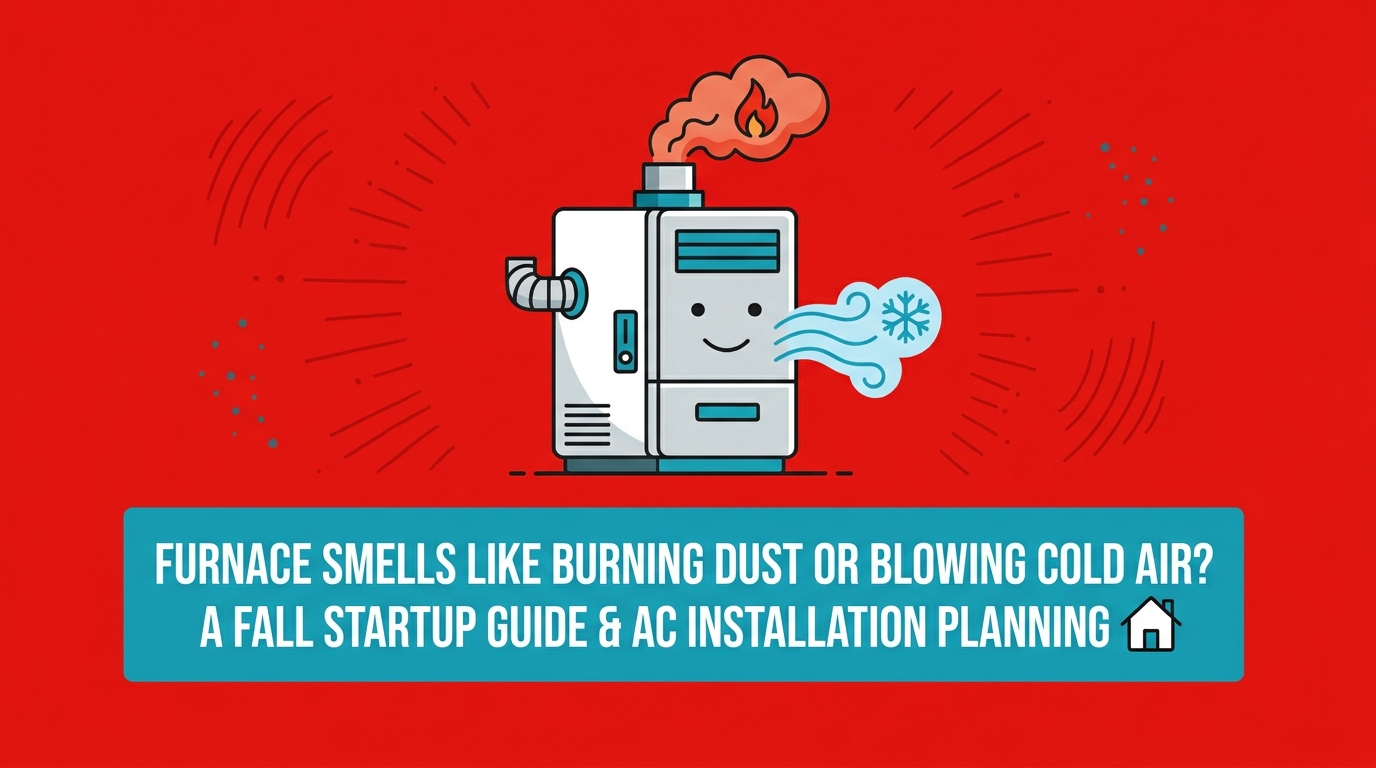
Furnace Smells Like Burning Dust or Blowing Cold Air? A Fall Startup Guide & AC Installation Planning
The First Fall Freeze: Troubleshooting Your October Heating Startup
The first cold snap of the season hits, and the house feels chilly. You walk over to the thermostat and switch it to heat, expecting a wave of warm air. Instead, the vents start blowing cold air, and an alarming burning smell fills the living room. In our experience helping Loveland families, we've found that when dealing with an October heating startup, getting common homeowner questions answered quickly is the difference between catching a minor issue and facing a mid-winter breakdown.
A sudden drop in early fall temperatures prompts thousands of homeowners to turn on their heating systems for the very first time in months. The immediate panic of smelling burning dust or feeling cold air from the registers is incredibly common. While some of these symptoms are entirely harmless byproducts of a system waking up from hibernation, our team at HALO Heating and Air knows firsthand that others are distinct warning signs requiring professional diagnosis before the equipment can be safely operated.
Just as your Air Conditioning system required proper preparation for the intense summer heat, your heating equipment demands the exact same attention right now. If your cooling equipment struggled to keep up during the hotter months, we often recommend coordinating an AC installation in Loveland alongside a furnace replacement evaluation as a highly effective fall strategy. Addressing both sides of your HVAC system before the deep winter freeze ensures consistent comfort and prevents emergency breakdowns when you need your equipment the most.
Normal Dust Burn-Off vs. Abnormal Hazard Smells
Distinguishing between a harmless seasonal odor and a dangerous component failure is the most critical step during a fall furnace startup. When a furnace sits dormant for six to eight months, environmental factors take a toll on the internal components. Our technicians consistently notice how Loveland's dry climate and hot summers significantly increase airborne particulate matter. As your air conditioner circulates air throughout the summer, heavier dust inevitably settles on the inactive heat exchangers inside your furnace. This makes the October burn-off smell much more pronounced than in regions with higher humidity and less seasonal dust.
Why Dust Accumulates on the Heat Exchanger
The heat exchanger is the core component of your furnace. It consists of a series of metal coils or tubes that are heated by the burner flames. The blower motor then pushes air over these hot metal surfaces, warming the air before it travels through your ductwork. Throughout the summer, while the furnace burners are off, the blower motor continues moving air over this cold metal. Dust, pet dander, and microscopic debris bypass the air filter and settle directly onto the heat exchanger's surface.
When you ignite the burners for the first time in the fall, the metal heat exchanger rapidly heats up to several hundred degrees. The accumulated layer of dust literally bakes and burns off the metal. This physical process produces a distinct smell of hot, burning dust that permeates the house through the ductwork.
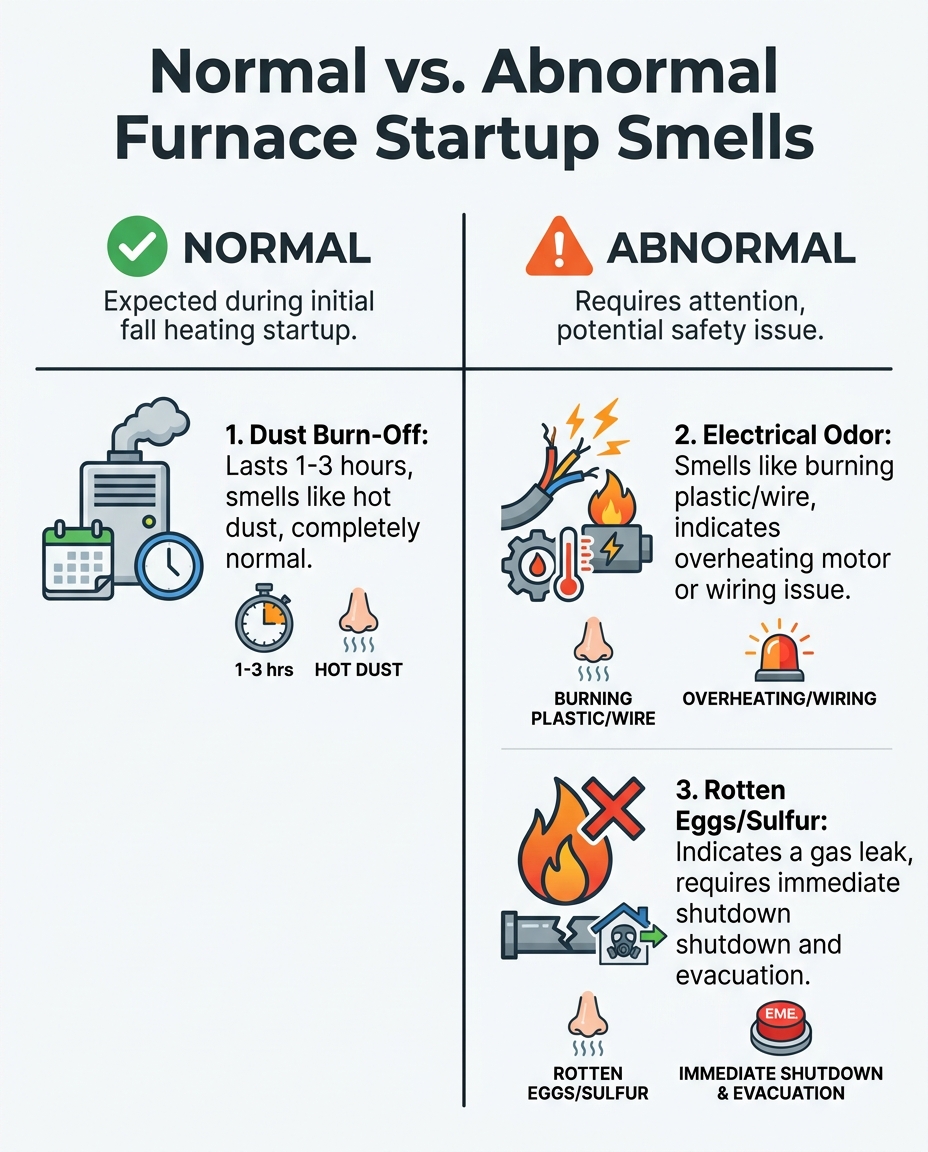
• Expected duration: A normal dust burn-off smell should begin to dissipate within 30 to 60 minutes of the furnace running.
• Maximum timeframe: In homes with heavy summer dust accumulation or multiple pets, a faint odor may linger for up to three hours.
• Ventilation: Opening a few windows during this initial cycle helps clear the harmless odor faster.
Identifying Dangerous Electrical and Gas Odors
While burning dust is normal, we always warn our customers that other smells indicate immediate safety hazards that require you to shut the system down completely. You must never ignore persistent, acrid, or chemical smells, nor should you attempt DIY fixes for these issues.
• Electrical Ozone or Burning Plastic: This sharp, metallic, or melting plastic smell indicates an overheating blower motor, failing capacitor, or melting wire insulation. If a component is drawing too much amperage, the resulting heat will melt the protective casing around the electrical connections.
• Rotten Eggs or Sulfur (Mercaptan): Natural gas is inherently odorless. Utility companies add a chemical called mercaptan to give it a distinct rotten egg smell. If you smell this near your furnace or vents, it indicates a gas leak.
• Exhaust or Formaldehyde: A heavy, smoky exhaust smell can indicate a cracked heat exchanger or a blocked flue pipe, meaning dangerous combustion gases (including carbon monoxide) are spilling back into your living space rather than venting outside.
Normal vs. Abnormal Furnace Startup Smells
Why Is My Furnace Blowing Cold Air on the First Cold Day?
Aside from unusual smells, the most frequent panic call our dispatchers receive during an October heating startup is about a furnace that blows cold air. Understanding the mechanical sequence of operations in a modern furnace helps clarify why this happens and when it transitions from a normal delay to a component failure.
The Blower Motor Delay Explained
When you trigger a call for heat at the thermostat, the furnace does not turn the blower fan on immediately. If it did, it would blast freezing cold air throughout your house while the burners were still trying to warm up the metal heat exchanger. Instead, a modern furnace follows a strict, timed sequence:
1. Inducer Draft Motor Starts: This small fan turns on first to clear residual gases out of the heat exchanger and establish a safe draft up the flue pipe.
2. Ignition Sequence: The igniter glows hot (or sparks), and the gas valve opens, lighting the burners.
3. Heat Exchanger Warming: The burners fire into the heat exchanger tubes, rapidly raising their temperature.
4. Blower Motor Delay: A fan limit switch waits until the air inside the furnace plenum reaches a specific temperature (usually around 130°F) before turning on the main house fan.
Even with this delay, the initial push of air out of your vents will feel cool. This is because the blower is pushing the ambient, room-temperature air that has been sitting stagnant in your ductwork out into the room. This initial cool breeze should last no longer than a minute or two before noticeably warm air follows.
Measuring Supply Air Temperature
If the air from your vents remains cold after several minutes, we often walk homeowners through using the thermostat set point versus actual supply air temperature as a definitive diagnostic tool. Place a standard digital room thermometer directly over the supply register (the vent blowing air into the room) closest to the furnace.
If your thermostat is set to 72°F, but the supply air temperature at the vent reads 65°F after five minutes of operation, the burners have failed to ignite or failed to stay lit. Common culprits for this specific failure include a dirty flame sensor (which shuts the gas valve down as a safety precaution), a tripped high-limit switch, or a failing igniter. Because these components govern the safe combustion of volatile natural gas, testing and resetting them requires professional diagnostic equipment and a licensed technician.
When to Shut Down Your System and Call a Professional
Establishing clear safety parameters is vital for protecting your home and your family. Relying on professional, reliable diagnostic standards prevents unexpected blow-offs during crucial first freezes. At HALO Heating and Air, our team's commitment to these rigorous diagnostic standards ensures that every safety switch, gas valve, and electrical connection is verified before winter demands peak performance from your system.
The Go/No-Go Safety Checklist:
• Shut off the system immediately if: You smell gas, you smell burning plastic, the carbon monoxide detector sounds, or the furnace makes loud banging or grinding noises upon startup.
• Monitor the system if: You smell a dusty odor that is fading, or you feel cool air for the first 60 seconds of the cycle before it turns warm.
We constantly remind our customers that bypassing safety switches or attempting to clean internal combustion components without a license is highly dangerous. Safety limit switches trip for a reason—usually because the system is overheating or failing to vent toxic gases properly. Resetting a switch without fixing the underlying airflow or combustion issue puts your home at risk of fire or carbon monoxide exposure.
A comprehensive fall inspection verifies system readiness. For example, our team recently helped a local homeowner preparing for winter who needed a comprehensive heating and cooling inspection. Our technician arrived on time, clearly explained the internal system components and the testing process, and performed rigorous checks. The outcome was total peace of mind, as the furnace was confirmed to be completely ready for winter operation. During a professional diagnostic visit, our technicians evaluate static air pressure, measure the microamps on the flame sensor, test the gas manifold pressure, and perform a combustion analysis to ensure safe winter operation.
Planning Ahead: Aging Systems and HVAC Upgrades
Sometimes, a severe startup failure indicates that a heating system has reached the end of its operational lifespan. If a professional diagnostic reveals a cracked heat exchanger, the furnace is legally required to be shut down due to the immediate risk of carbon monoxide poisoning. In these scenarios, a full system replacement becomes the only safe path forward.
When facing a sudden furnace failure, evaluating the age and condition of your air conditioner is a critical next step. Replacing an aging furnace and AC unit at the exact same time provides massive efficiency benefits. Modern HVAC systems are engineered as matched sets; pairing a highly efficient new furnace with a 15-year-old AC coil restricts airflow and severely limits the performance of both units. In our experience, homeowners facing major heating repairs often choose to schedule a Fort Collins AC installation simultaneously to save heavily on future, duplicated labor costs.
We recently worked with another homeowner who experienced simultaneous AC and furnace system issues after a frustrating experience with a different contractor. Our technician evaluated the entire system the same day, providing a thorough, honest assessment that identified the root problem. A reliable solution was offered without pressure, and the customer gained total trust through our team's honesty and professionalism.
We know replacements can catch you off guard just before winter hits, which is why we remind customers that exploring options for financing HVAC upgrades—alongside generic, generally available utility incentives or federal tax credits for qualifying high-efficiency systems—makes comprehensive system replacements highly manageable. Always verify current programs with your utility provider or a tax professional to ensure balanced airflow, optimal energy efficiency, and reliable comfort regardless of the season.
Frequently Asked Questions About Fall Furnace Startups
How long does a furnace smell like burning dust?
A normal dust burn-off smell usually lasts between 30 minutes and three hours during the first heating cycle of the season. This harmless odor occurs because the dust that settled on the cold heat exchanger over the summer is baking off as the metal reaches operating temperature. If the smell persists beyond a few hours or returns on subsequent days, it requires professional investigation.
Why is my furnace blowing cold air when I turn it on for the winter?
Your furnace blows cold air initially because the blower motor is pushing stagnant, room-temperature air out of the ductwork before the heat exchanger fully warms up. However, if you compare the thermostat set point versus actual supply air temperature and find the air remains cold after five minutes, the burners are likely failing to ignite. This is often caused by a dirty flame sensor or a tripped safety limit switch.
Is a burning smell from the heater dangerous?
It depends entirely on the type of burning smell. A smell resembling hot dust or a warm clothes dryer is completely normal and harmless. Conversely, a smell resembling melting plastic, burning electrical wire, or rotten eggs is highly dangerous. Electrical odors indicate overheating components, while a sulfur smell indicates a raw gas leak.
When should I worry about a furnace smell?
You should worry about a furnace smell if it smells like electrical ozone, melting plastic, chemical exhaust, or natural gas. Furthermore, you should be concerned if a standard dusty smell lasts for more than a single day or if it is accompanied by loud grinding noises, scraping sounds, or a carbon monoxide alarm triggering.
Can I fix a furnace blowing cold air myself?
You can perform basic troubleshooting, such as replacing a clogged air filter or verifying the thermostat is set correctly to "Heat," but you should never attempt internal repairs yourself. Fixing a furnace that persistently blows cold air usually involves handling gas valves, high-voltage electrical components, and delicate safety sensors that require a licensed professional to service safely.
Should I replace my AC and furnace at the same time if one fails?
Replacing both units at the same time is highly recommended if the surviving unit is more than 10 years old. HVAC systems share the same interior blower motor and ductwork. Installing a new, high-efficiency furnace while leaving an aging, restrictive AC coil in place will throttle the performance of your new heating system and lead to premature wear.
Ensure Safe and Reliable Comfort This Winter
Navigating the first fall freeze doesn't have to be a stressful event. By understanding the distinct differences between a normal dust burn-off and a hazardous electrical or gas odor, you can protect your home and avoid unnecessary panic. Always remember that a brief period of cool air is part of the normal startup sequence, but a persistent failure to reach the thermostat set point demands expert attention.
True peace of mind comes from knowing your system has been professionally verified, tested, and calibrated for the heavy workload ahead. A definitive technical explanation of your system's health gives you a clear go/no-go on operation. To ensure year-round efficiency and prevent sudden mid-winter breakdowns, our team at HALO Heating and Air strongly encourages scheduling AC maintenance and tune-ups alongside your comprehensive heating inspections.
See what homeowners across Windsor and Northern Colorado are saying about our reliable service, expert workmanship, and commitment to getting the job done right.
I called Halo when my water heater started leaking from the bottom. They responded quickly and reviewed my options for a new water heater. Steve was able to locate the particular water heater I wanted and had the old one removed and the new one Installed that day. I can't thank them enough for the prompt service. I highly recommend Halo and will use them again if the need arises. They were very courteous and professional.
Rick H.
Steve, the HALO technician, was great. He did a quick view of our furnace and could see it was malfunctioning. He was very transparent, showing me his initial findings, explaining how the furnace should work and trying a step to correct the problem. When that didn't work, he inspected the wiring more closely and found a crimped wire leading into the burner assembly. He replaced the wire and the furnace resumed normal operation. Thanks much, Steve!
Toni B.
They were on time, friendly and competent. In one day put in new furnace, took away old one. Permit was issued and city inspector said they did a really good job. I will use Halo for all my future HVAC needs.
Roger M.
Chernet and Steve were incredibly professional and compassionate! They thoroughly explained the issue with my furnace, made sure that i understood, and then showed me what they found.
Joann H.
I’m am so impressed with the quality and depth of service that I received. The details about what was being done and how the system works were so helpful to me and the most valuable as I know how to help diagnose my own system. They tested everything and were able to diagnose my problems and get them fixed. This was after two other companies had tried to do this and failed I would recommend them again to everyone who wanted expertise and high level skills and knowledge who will get the problem resolved.
Linda T.
Halo is a excellent service for heating and air conditioning. Very attentive, informative and a great problem solver.
Bob B.
I called Halo when my water heater started leaking from the bottom. They responded quickly and reviewed my options for a new water heater. Steve was able to locate the particular water heater I wanted and had the old one removed and the new one Installed that day. I can't thank them enough for the prompt service. I highly recommend Halo and will use them again if the need arises. They were very courteous and professional.
Rick H.
Steve and Chernet literally saved our kennel dogs and puppies by repairing a heating system that was not designed to function in negative temperatures. They came up with a plan to keep the temperatures warm and monitored them throughout the night!! They did that! And did it all for an extremely fair price. We have had several other HVAC companies come to our business to“fix” our system. Nobody had ever been honest with us, and kept charging more and more each visit leaving us with a system that really was not designed to work properly. We will never use another HVAC company again. Halo has our business for life!!
Furnace blowing cold air or smelling like burning dust? Get common homeowner questions answered so you know when it's just dust burn-off versus a real hazard.
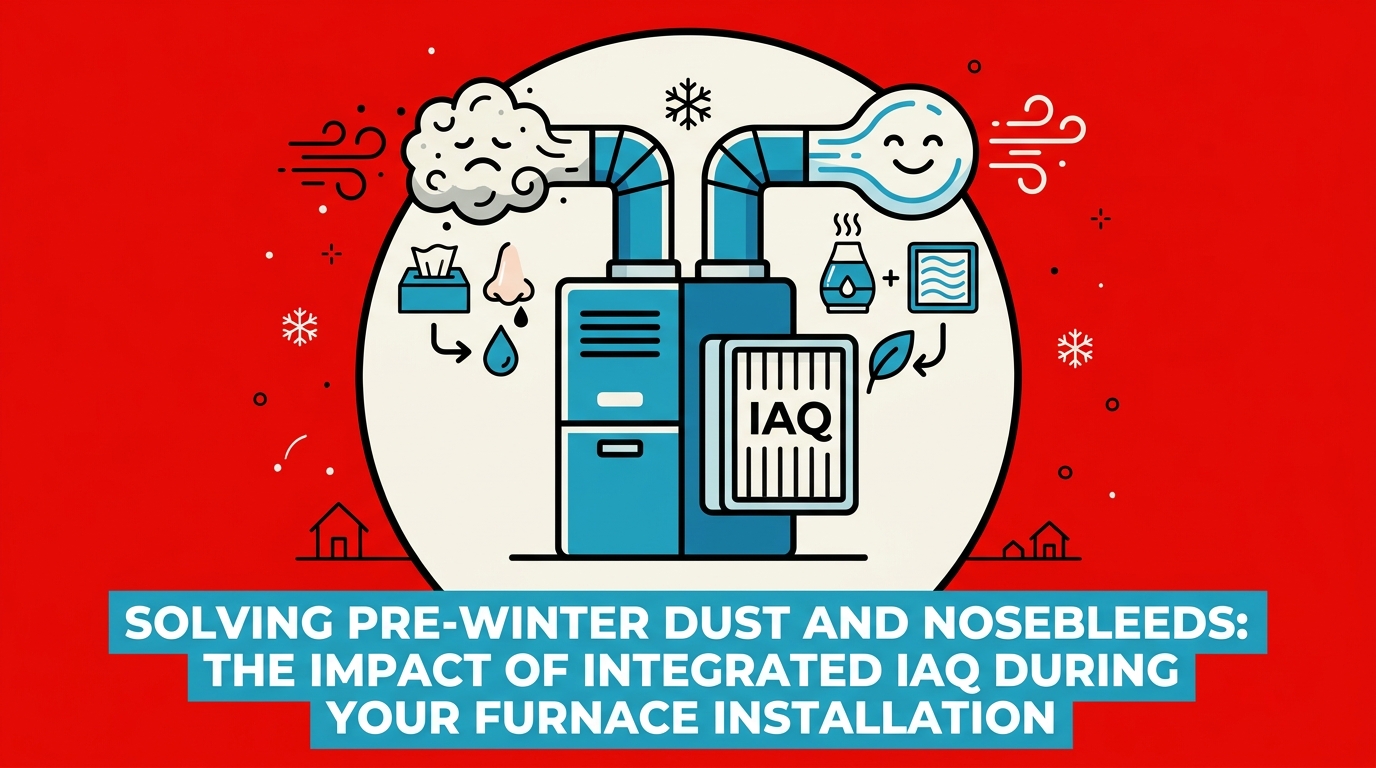
Upgrading your furnace this fall won't solve the excessive dust and morning nosebleeds caused by dry air. Adding whole-home humidification at installation changes everything.
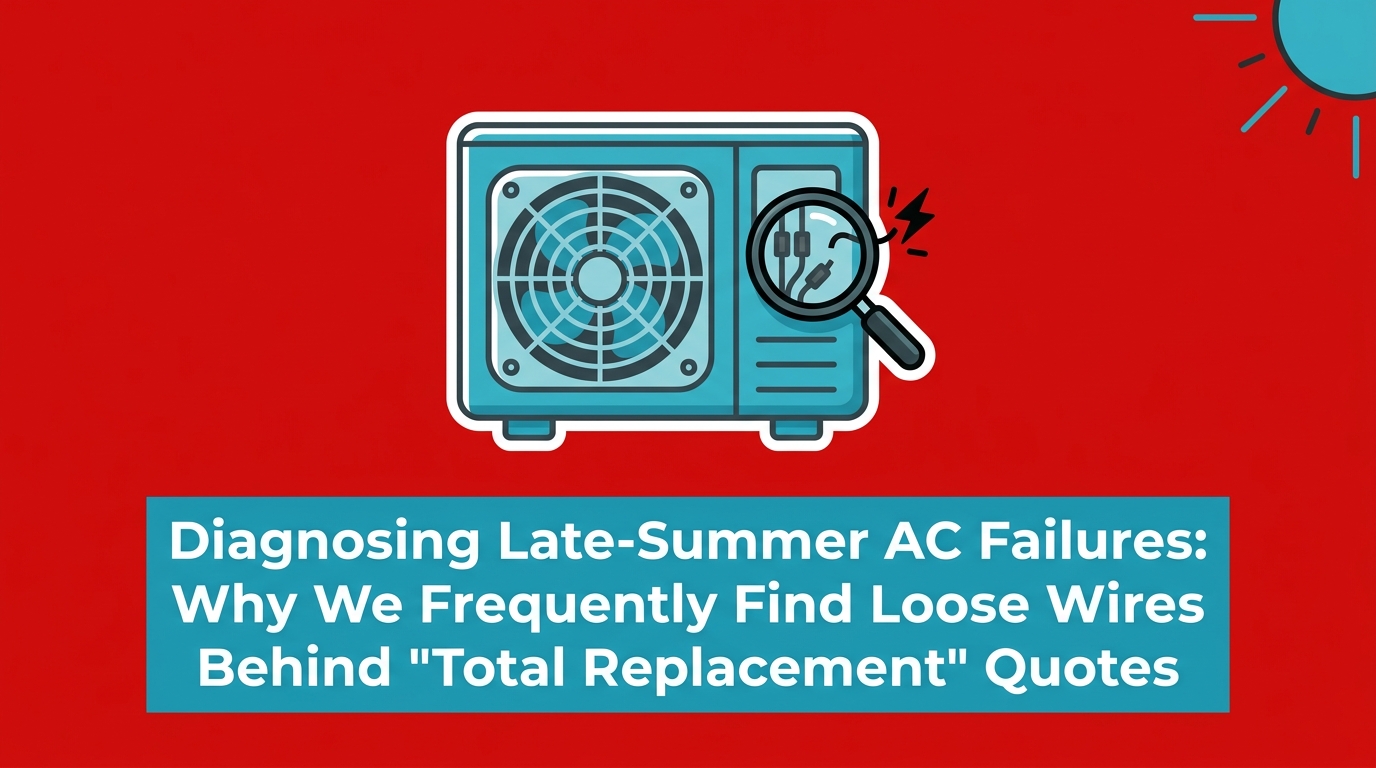
An abrupt August AC breakdown doesn't always mean your system is dead. Simple vibration-induced electrical faults often trigger unnecessary total replacement quotes.


.svg)