Home Maintenance Tips and Troubleshooting: Managing a Late-Season AC Fix Before the Winter Freeze
Home Maintenance Tips and Troubleshooting: Managing a Late-Season AC Fix Before the Winter Freeze
Facing the Freeze: When Neglected HVAC Systems Struggle to Keep Up
When you are searching for effective home maintenance tips and troubleshooting, it is usually because a sudden drop in temperature has exposed a hidden problem in your HVAC system. As the seasons shift, many homeowners find themselves deciding whether to proactively evaluate their equipment now or risk an emergency failure during a heavy snowstorm. The transition from cooling to heating is notoriously hard on mechanical components, and a system that limped through the end of summer is highly vulnerable to the impending November pre-winter freeze.
If you suspect your system is struggling, securing professional air conditioning services and heating evaluations early can make the difference between a comfortable home and a freezing one.
Most central HVAC systems share critical internal components. The blower motor that pushes chilled air through your vents in August is the exact same motor responsible for distributing heated air in December. If your air conditioner was running constantly, making strange noises, or struggling to maintain the thermostat setting late in the season, those underlying mechanical weaknesses do not simply vanish when you switch the system to heat. An unresolved AC fix often points to a shared component issue that will severely disrupt your heating performance right when you need it most.
The Hidden Costs of Deferred Maintenance
Systems that sat completely idle for weeks or overworked during late-summer heatwaves are particularly susceptible to startup failures. Dust settles on the heat exchanger, lubrication in moving parts begins to degrade, and electrical connections can loosen due to thermal expansion and contraction.
Common signs of deferred maintenance include:
• Delayed ignition: The furnace takes longer than usual to produce heat after the thermostat calls for it.
• Weak airflow: The blower motor struggles to push air evenly to the furthest rooms in the house.
• Unusual odors: A burning smell that lasts longer than the initial dust burn-off of the season.
• Short cycling: The system turns on and off rapidly without reaching the desired temperature.
Taking a proactive approach rather than waiting for a reactive panic offers significant peace of mind. By addressing lingering cooling issues and preparing the heating side of the system simultaneously, you ensure that your home remains safe and comfortable regardless of what the weather does outside.
The Impact of Rapid Temperature Drops on Your Home Comfort System
Living in Loveland and the Northern Colorado Front Range means dealing with a highly unpredictable climate. It is not uncommon for temperatures to sit comfortably in the 60s during the afternoon and plummet to sub-freezing levels just a few hours later. These drastic, rapid temperature fluctuations place an immense amount of mechanical stress on your home comfort system. When a furnace or heat pump is suddenly forced to operate at maximum capacity after sitting idle, weak components are pushed past their breaking point.
Understanding why your AC is freezing up during summer can actually provide insight into how your system handles stress. Restricted airflow, low refrigerant, or failing blower motors cause immense strain on the system during hot weather. When that same strained system is suddenly subjected to the dry, cold climate of a Front Range cold snap, the risk of a total breakdown skyrockets.
Understanding the Northern Colorado Climate Shift
During a sudden freeze, the physics of your HVAC system change. Metal components like the heat exchanger expand and contract rapidly. If the metal is old or compromised, this rapid thermal shift can cause micro-fractures. Similarly, ignitors that have degraded over time often snap or fail to spark when subjected to sudden, intense demand.
One local homeowner experienced a sudden air conditioning failure during a late hot spell. A technician responded promptly to get the cooling system running, and later evaluated the aging equipment, allowing the customer to seamlessly upgrade to a quiet, high-comfort new system before the serious winter weather arrived. Addressing an old, failing furnace alongside a lingering AC issue is critical before winter weather hits fully.
• Blower Motor — Summer/Fall Stress Factor: Overheating from constant cooling cycles — Winter Failure Risk: Complete failure, resulting in zero warm air circulation
• Air Filter — Summer/Fall Stress Factor: Clogged with summer dust and allergens — Winter Failure Risk: Restricted airflow causing the furnace to overheat and shut down
• Heat Exchanger — Summer/Fall Stress Factor: Idle periods allowing moisture and rust — Winter Failure Risk: Cracking under rapid thermal expansion during a cold snap
• Thermostat — Summer/Fall Stress Factor: Frequent rapid adjustments during season shifts — Winter Failure Risk: Loss of communication with the heating control board
The transition period mechanics for HVAC units dictate that preparation is non-negotiable. Outdoor heat pump units face the added challenge of rapid freezing, which can coat the coils in frost and severely restrict the unit's ability to pull ambient heat from the air. Proper preparation ensures these systems can handle the heavy lifting required during a Northern Colorado November.
Safe Home Maintenance Tips and Troubleshooting for Homeowners
Empowering yourself with safe, basic troubleshooting steps is an excellent way to maintain your system's efficiency. However, it is vital to establish clear boundaries to prevent accidental damage to the equipment or personal injury. Homeowners can safely manage airflow, thermostat communication, and power supply checks, but internal mechanical work must always be left to the experts.
Scheduling routine AC maintenance and tune-ups alongside your heating checks ensures the entire system is prepared for the November pre-winter freeze.
Thermostat Calibration and Battery Checks
The thermostat is the brain of your HVAC system. Often, what appears to be a major mechanical failure is actually a simple communication error originating at the wall unit.
1. Verify the power source: Remove the thermostat faceplate and replace the batteries. Even hardwired thermostats often use batteries as a backup, and low power can cause erratic behavior.
2. Check the settings: Ensure the switch is firmly set to "Heat" and the fan is set to "Auto." A fan set to "On" will blow continuously, circulating cold air when the furnace burners are not active.
3. Clean the interior: Use a soft, dry brush to gently remove dust from the internal sensors. Built-up grime can cause the thermostat to read the room temperature inaccurately.
Air Filter Replacement Strategies for Late Fall
The single most important step in your pre-winter preparation is evaluating the air filter. According to the U.S. Department of Energy, replacing a dirty, clogged filter can lower a heating and cooling system's energy consumption by 5% to 15%.
1. Locate the filter compartment: This is typically found in the return air duct or directly on the air handler cabinet.
2. Inspect the filter: Hold it up to a light source. If you cannot see light shining through the material, it is time for a replacement.
3. Install the new filter correctly: Look for the printed arrows on the edge of the new filter. These arrows must point toward the furnace (in the direction of the airflow).
Starting the heating season with a fresh filter is mandatory. Restricted airflow is the leading cause of furnace overheating. When a filter is clogged, the heat exchanger cannot dissipate its heat fast enough, causing the system's high-limit switch to trip and shut down the furnace entirely as a safety precaution.
Checking the Circuit Breakers: If your system is completely unresponsive, safely check your home's main electrical panel. Look for tripped breakers labeled for the furnace, air handler, or heat pump. You can firmly push a tripped breaker to the "Off" position and then back to "On." If the breaker trips again immediately, do not attempt to reset it a second time—this indicates a serious electrical short that requires professional intervention.
Diagnostic Boundaries: When a Quick AC Fix Requires a Professional
While clearing vents and changing filters are excellent homeowner habits, modern HVAC systems are complex networks of high-voltage electricity, pressurized refrigerants, and combustible gases. Knowing when to step back and call a licensed technician is crucial for your safety and the longevity of your equipment.
If you encounter issues beyond basic airflow and thermostat settings, seeking air conditioner repair in Fort Collins or local heating diagnostics is the safest path forward.
Identifying Complex Electrical and Mechanical Faults
There are specific warning signs that indicate a problem has crossed the line from a simple DIY fix into professional territory. Ignoring these symptoms often leads to catastrophic equipment failure during the coldest nights of the year in Loveland and the Northern Colorado Front Range.
• Unusual mechanical noises: Grinding, squealing, or loud banging sounds point to failing motor bearings, loose blower wheels, or delayed gas ignition.
• Electrical odors: A persistent smell of burning plastic or ozone indicates melting wire insulation or a failing electrical component like a capacitor or contactor.
• Frequent short-cycling: If the system turns on for only a few minutes before shutting down, it is likely protecting itself from an internal fault, such as a failing flame sensor or restricted exhaust flue.
Attempting to fix internal electrical components or handle refrigerant lines without proper certification is highly dangerous. High-voltage capacitors can hold a lethal charge even after the power is disconnected at the breaker.
Getting a professional second opinion is incredibly valuable when dealing with complex diagnostics. For instance, one homeowner reached out for a same-day emergency evaluation after dealing with an unreliable AC and furnace system following a frustrating experience elsewhere. The technician arrived that afternoon, quickly identified the root of the problem, offered a clear solution, and enrolled the customer in an annual maintenance program to ensure long-term reliability.
Partnering with a team that provides reliable, transparent diagnostics—like the professionals at HALO Heating and Air—ensures you get the exact repair you need without being pushed into an unnecessary replacement. A professional evaluation guarantees that a simple fix, such as tightening a loose wire or cleaning a flame sensor, is handled correctly, preventing a mid-winter emergency breakdown.
Pre-Winter Heating Troubleshooting Checklist
To ensure your home is fully prepared for the impending November pre-winter freeze, follow this structured troubleshooting checklist. Completing these steps before the consistent sub-freezing overnight temperatures set in will give you the confidence that your system is ready to perform.
Evaluating Airflow and System Integrity
Proper airflow is the lifeblood of any HVAC system. Without it, your equipment will work harder, consume more energy, and ultimately fail prematurely.
• Clear the outdoor unit: If you utilize a heat pump, inspect the outdoor compressor unit. Rake away leaves, trim back encroaching bushes, and ensure there is a clear two-foot perimeter around the entire unit. Once the snow falls, keep the top and sides clear of ice buildup to maintain proper airflow.
• Inspect indoor ductwork and vents: Walk through every room in your house and verify that all supply and return vents are open and unobstructed. Moving furniture, rugs, or heavy curtains away from the registers ensures balanced airflow and prevents pressure buildup inside the ductwork.
• Test the heating cycle early: Do not wait for the first snowstorm to turn on your heat. Set your thermostat a few degrees above room temperature and listen carefully. You should hear the inducer motor start, followed by the click of the gas valve (or the hum of the heat pump), and finally the smooth engagement of the blower motor.
• Monitor the temperature rise: Allow the system to run for a full cycle. Place your hand near the vents to confirm the air is consistently warm. If the air feels lukewarm or the system struggles to reach the set temperature on the thermostat, you have a mechanical issue that needs attention.
• Schedule a professional evaluation: If any part of this checklist reveals a problem—whether it is a strange noise, poor airflow, or an unresponsive thermostat—schedule a professional diagnostic immediately.
Pre-Winter Heating Troubleshooting Checklist
Ensure Your System is Ready for the Cold Months Ahead
Taking the time to apply these home maintenance tips and troubleshooting strategies is the most effective way to protect your property from sudden temperature drops. Proactive care ensures that minor issues—like a lingering summer cooling problem—do not evolve into major winter heating emergencies. Knowing that your equipment has been thoroughly checked, cleaned, and tested provides immense peace of mind as the harsh weather approaches Loveland and the Northern Colorado Front Range.
If you have walked through the basic troubleshooting steps and your system is still struggling to perform, do not hesitate to seek expert help. Reaching out for professional AC repair in Loveland and comprehensive heating diagnostics guarantees your home will stay warm, safe, and comfortable all winter long.
Frequently Asked Questions
What is a basic home maintenance checklist for HVAC systems?
A basic checklist focuses on maintaining clear airflow and reliable power. You should regularly replace your air filters, keep all indoor vents open and unobstructed, and clear debris away from outdoor heat pump units. Additionally, checking thermostat batteries and testing the system for a full cycle before extreme weather hits will help you catch minor issues early.
How do I troubleshoot my heating system before winter?
Start by verifying your thermostat is set to "Heat" and the batteries are fresh. Next, check your electrical panel to ensure the furnace or heat pump breaker has not tripped. Finally, inspect your air filter; a severely clogged filter will restrict airflow, causing the system to overheat and shut down automatically as a safety measure.
Why is my furnace blowing cold air?
A furnace blowing cold air often indicates an issue with the ignition process or the thermostat settings. First, ensure your thermostat fan setting is on "Auto" rather than "On," which blows unheated air between cycles. If the setting is correct, the problem may be a dirty flame sensor, a failed ignitor, or a gas supply issue requiring a professional diagnostic.
What is the most common HVAC problem during a season transition?
Restricted airflow caused by dirty filters is the most frequent culprit during seasonal shifts. After running constantly through the summer, filters become packed with dust and allergens. When the heating season begins, this blockage forces the blower motor to overwork, leading to short-cycling and system overheating.
Can a lingering AC issue affect my furnace's performance?
Yes, because central heating and cooling systems share several critical internal components. The blower motor, indoor evaporator coil, and ductwork are used year-round. If a failing blower motor was causing your AC to struggle in August, that exact same motor will likely fail to distribute warm air efficiently in November.
When should I call a professional instead of attempting an AC fix myself?
You should call a licensed professional whenever a problem involves internal mechanical parts, high-voltage electricity, or refrigerant lines. If you hear grinding noises, smell burning electrical components, or notice the system rapidly turning on and off, turn the unit off at the thermostat and schedule an expert evaluation immediately to prevent further damage.
See what homeowners across Windsor and Northern Colorado are saying about our reliable service, expert workmanship, and commitment to getting the job done right.
I called Halo when my water heater started leaking from the bottom. They responded quickly and reviewed my options for a new water heater. Steve was able to locate the particular water heater I wanted and had the old one removed and the new one Installed that day. I can't thank them enough for the prompt service. I highly recommend Halo and will use them again if the need arises. They were very courteous and professional.
Rick H.
Steve, the HALO technician, was great. He did a quick view of our furnace and could see it was malfunctioning. He was very transparent, showing me his initial findings, explaining how the furnace should work and trying a step to correct the problem. When that didn't work, he inspected the wiring more closely and found a crimped wire leading into the burner assembly. He replaced the wire and the furnace resumed normal operation. Thanks much, Steve!
Toni B.
They were on time, friendly and competent. In one day put in new furnace, took away old one. Permit was issued and city inspector said they did a really good job. I will use Halo for all my future HVAC needs.
Roger M.
Chernet and Steve were incredibly professional and compassionate! They thoroughly explained the issue with my furnace, made sure that i understood, and then showed me what they found.
Joann H.
I’m am so impressed with the quality and depth of service that I received. The details about what was being done and how the system works were so helpful to me and the most valuable as I know how to help diagnose my own system. They tested everything and were able to diagnose my problems and get them fixed. This was after two other companies had tried to do this and failed I would recommend them again to everyone who wanted expertise and high level skills and knowledge who will get the problem resolved.
Linda T.
Halo is a excellent service for heating and air conditioning. Very attentive, informative and a great problem solver.
Bob B.
I called Halo when my water heater started leaking from the bottom. They responded quickly and reviewed my options for a new water heater. Steve was able to locate the particular water heater I wanted and had the old one removed and the new one Installed that day. I can't thank them enough for the prompt service. I highly recommend Halo and will use them again if the need arises. They were very courteous and professional.
Rick H.
Steve and Chernet literally saved our kennel dogs and puppies by repairing a heating system that was not designed to function in negative temperatures. They came up with a plan to keep the temperatures warm and monitored them throughout the night!! They did that! And did it all for an extremely fair price. We have had several other HVAC companies come to our business to“fix” our system. Nobody had ever been honest with us, and kept charging more and more each visit leaving us with a system that really was not designed to work properly. We will never use another HVAC company again. Halo has our business for life!!
Why do neglected systems fail in the cold? Review these home maintenance tips and troubleshooting strategies to secure your comfort before the freeze hits.
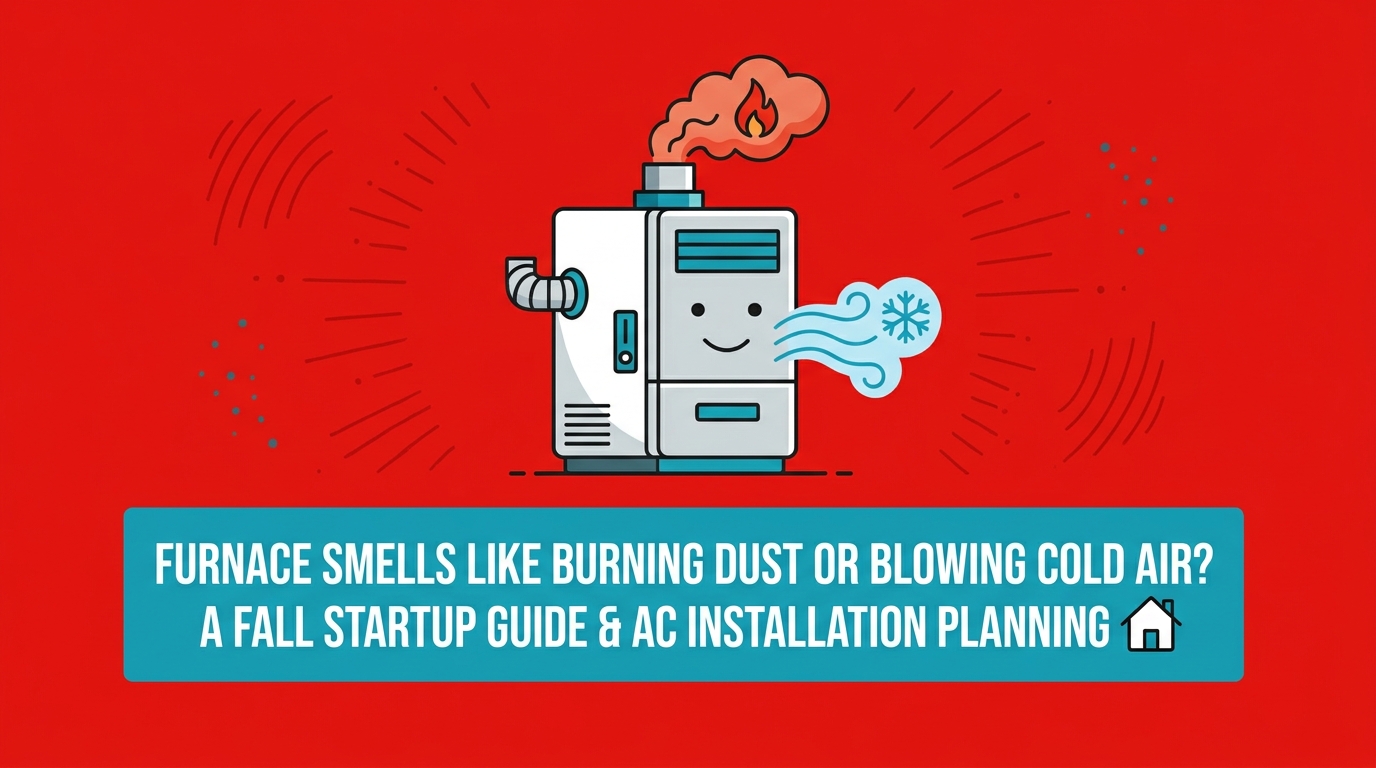
Furnace blowing cold air or smelling like burning dust? Get common homeowner questions answered so you know when it's just dust burn-off versus a real hazard.
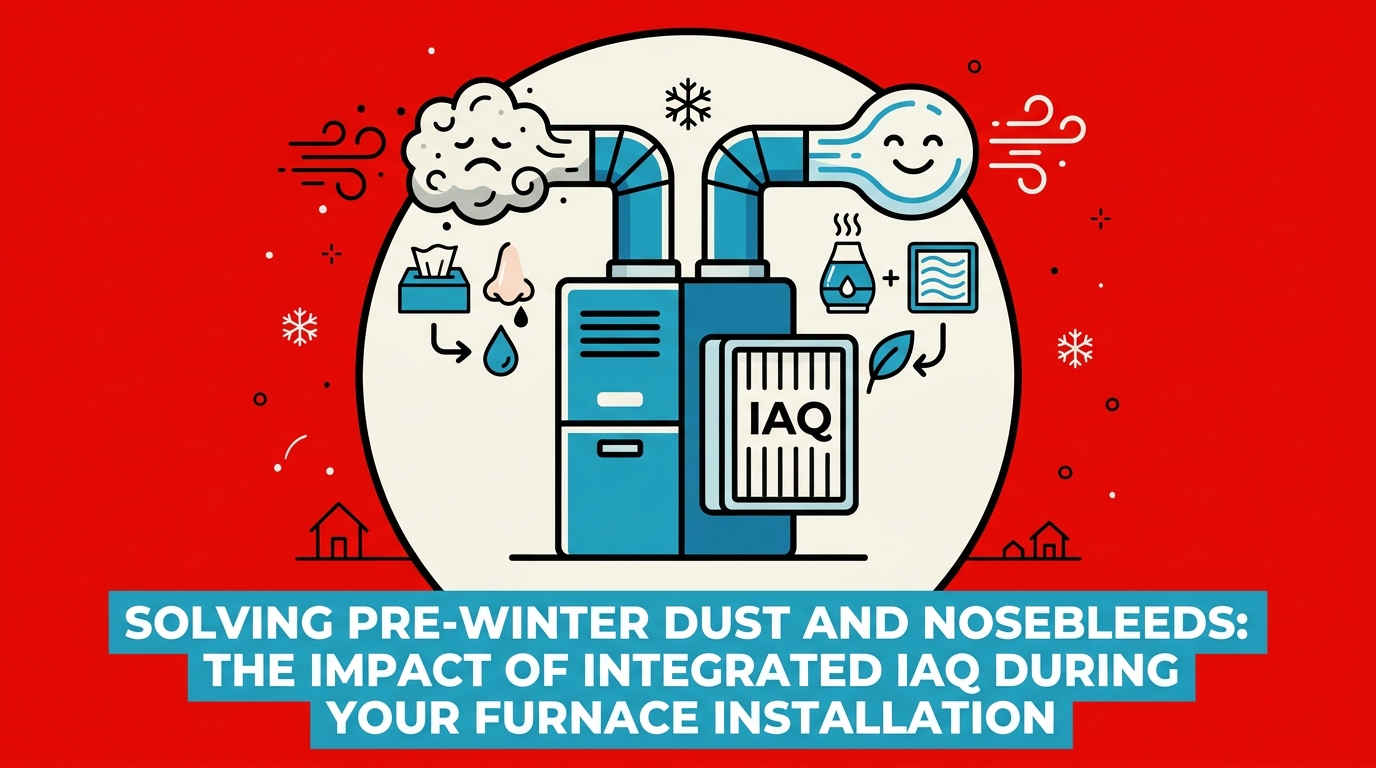
Upgrading your furnace this fall won't solve the excessive dust and morning nosebleeds caused by dry air. Adding whole-home humidification at installation changes everything.